









| Course
Title |
: Zero
Trust Security Architecture Framework |
| Course
Duration |
: 2 Day
Face-to-Face Classroom and 2 Day Online
Instructor Led Workshop
: Online
workshop is delivered in two days, two units
each day between 9:30 am to 1 pm and 2:00 pm
to 6 pm |
| Course Fee |
: Available
upon request
|
| Course
Location |
: TLC
Office, Customer Onsite, and Online |
| Course Code |
: TN224 |
| Deliverables |
:
Comprehensive Student Guide and Workshop
Certificate |
This on-site couse
can also be conducted for customers in Lahore, and
Islamabad
PURPOSE:
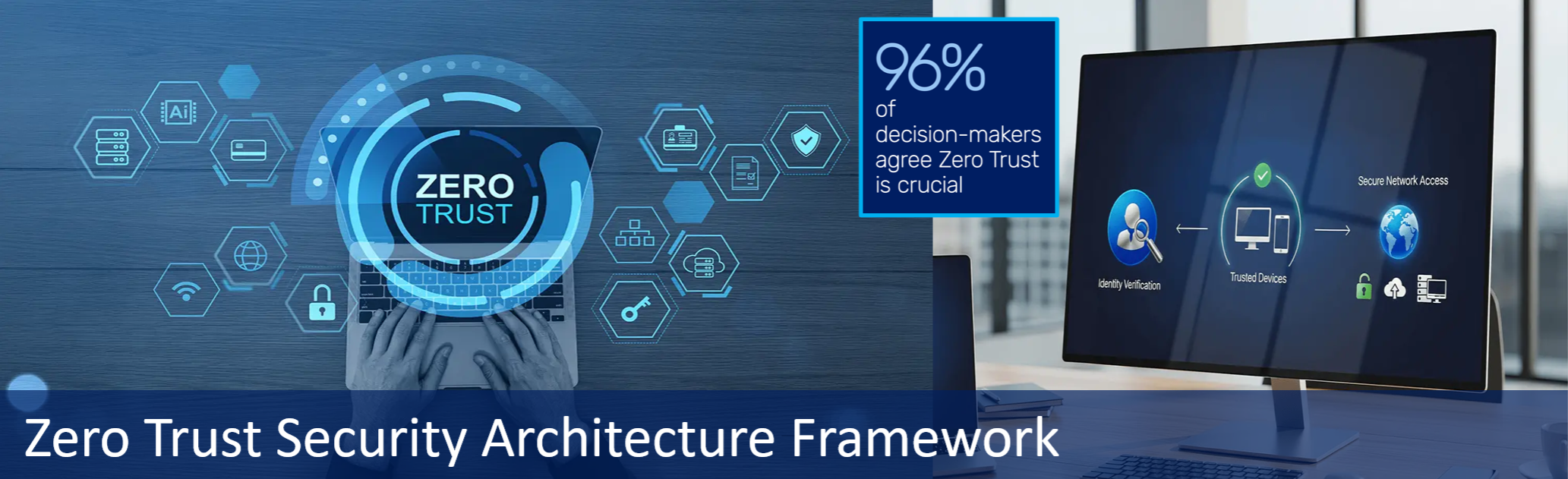
Zero Trust has
become an extremely popular reference for security
best practices. Vendor marketing and other
misleading data has unfortunately caused confusion
about what Zero Trust is and how to use it properly.
This misunderstanding of Zero Trust can lead to a
false sense of security. In a nutshell, Zero Trust
security is vital because it replaces the outdated
"castle-and-moat" defense with a "never trust,
always verify" philosophy. It stops attackers from
moving freely inside a network, protecting sensitive
data and stopping breaches in their tracks.
This course will
review the history of many popular terms for
security best practices as well as how the industry
developed the term Zero Trust. We will review Zero
Trust Architecture and Framework in details with
enterprise use cases. Topics will include network,
endpoint and cloud security concepts. We will also
discuss misconceptions, such as how Zero Trust best
practices can t be achieved by simply acquiring a
technology such as a Firewall, Identity Management
solution or Network Access Control offering. Expect
many real-world examples, demos and definitions of
topics that you can relate to as well as evaluate
with open source or enterprise technology.
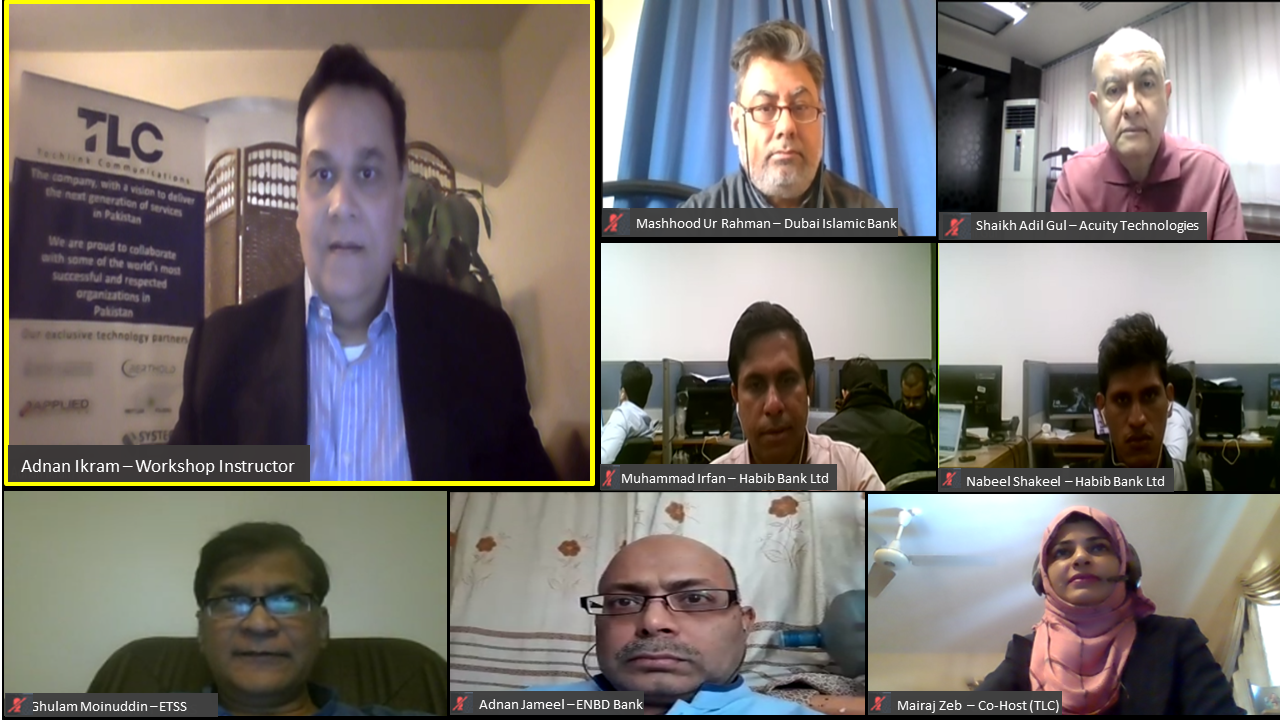
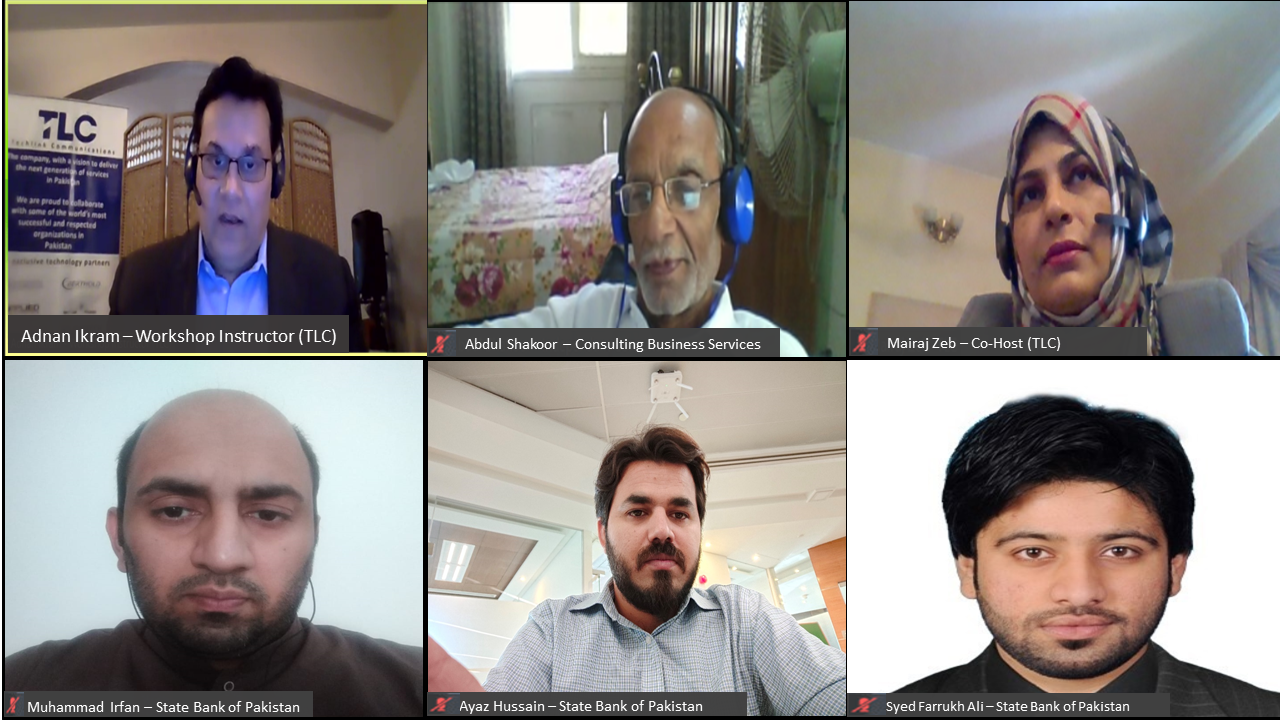
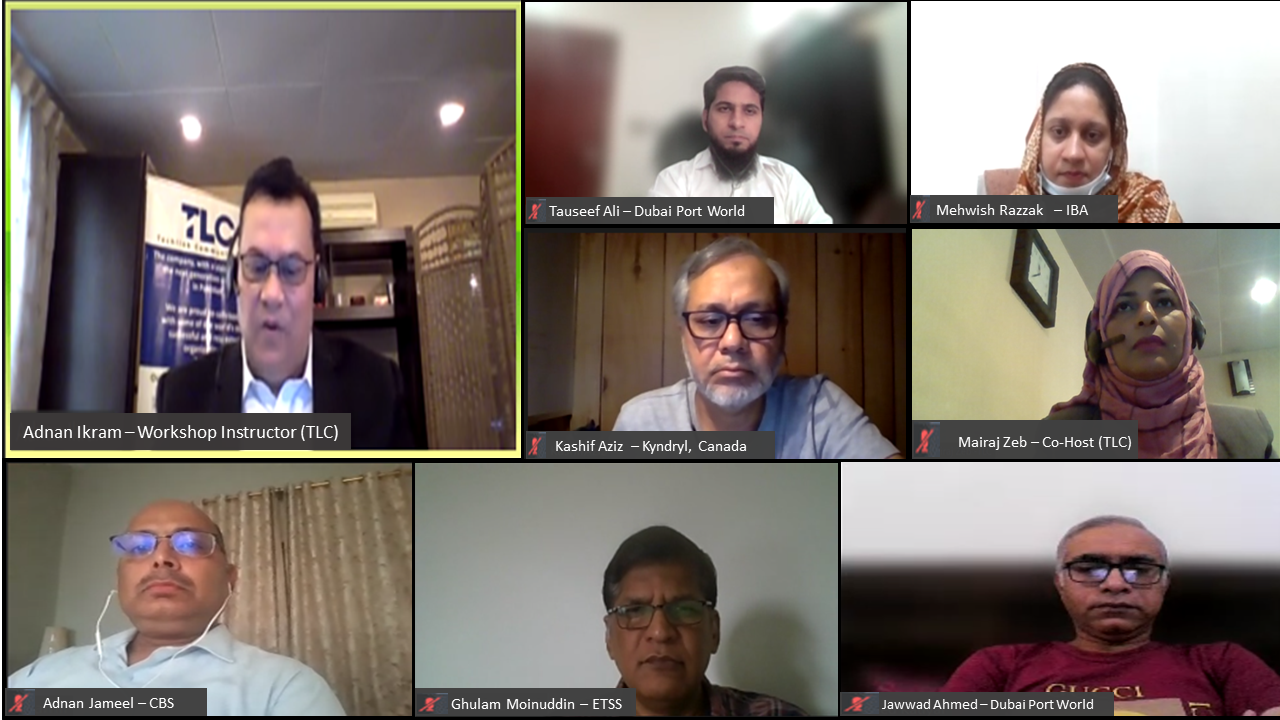
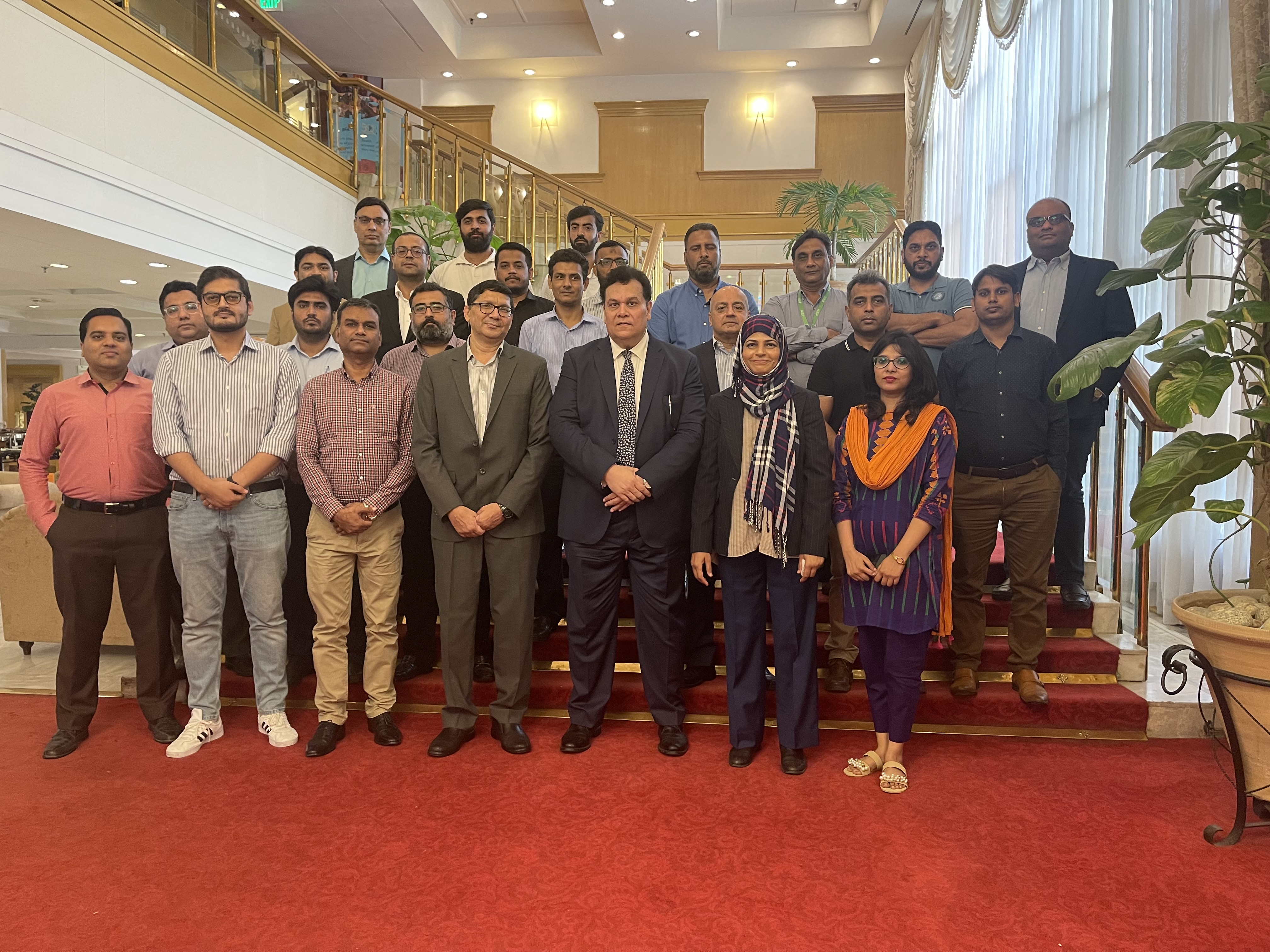
The training course flow will be a mix
of lectures & classroom discussions so that
participants can have a detailed understanding of
various components of cybersecurity technologies.
ABOUT
THE INSTRUCTOR
Training
will be delivered by an experienced trainer with 25+
years of career experience imparting education and
training services both locally and internationally
and have served international enterprise technology
vendors including IBM, Fujitsu, and ICL.
Our instructor holds various
industry professional certifications in the space
of enterprise servers and storage technologies,
Information Security, Enterprise Architecture,
Blockchain Technology, ITIL, Cloud,
Virtualization, Green IT, and a co-author of 10
IBM Redbooks and have designed and developed 70
plus courses based on Storage, Information
Security, Cybersecurity, Enterprise Architecture,
Open Banking Framework and digital technologies
stacks.
TARGETED
AUDIENCE:
This workshop is intended for resources
who/from:
- CISO, CIO, CTO, CDO, CRO, Business and
Digital Leaders, IT Director and IT Managers,
Application/Database teams, Audit, Risk and
Compliance, Information Security and
Cybersecurity Professionals, IT Operations,
Project Managers, Enterprise Architects, Network
Operation Teams, and Technical Writers with a
familiarity of basic IT/IS concepts who want to;
- Want to learn new trends in security
and data breach incidents.
- Interested in entering the field of
Information Security and Cybersecurity.
- Students and fresh graduates.
- Managers, Senior IT Managers, Business
and HR Leaders who want to refresh their present
knowledge.
- Security Operations Center teams.
- Network Operations Centers.
Workshop
Summary
- Understand
the true meaning of the Zero Trust security
framework
- Determine how
to apply security best practices represented in
the latest Zero Trust framework to your
organization.
- Understand
how to assess your existing security capabilities
and map out a plan for improving your organization
s security practice.
- Understand
security best practices for all areas of your
business (cloud, endpoint and network)
- A lab
exercise based on tracing a Malware in endpoint
devices.
PREREQUISITES:
Participants
attending this workshop should be familiar with basic
Information Technology (IT) and Security concepts,
business challenges and the role of general system
wide infrastructure technologies and their
applications.
COURSE
OUTLINE
Unit 1
Unified Threat Management Principles
- Threats
and security challenges faced today.
- Why
do we need to make cybersecurity a
priority?
- Threat
hunting and indicators of compromise
(IoC s).
- Understand
threat management and knowing security
threats and their channels.
- Threat
management and threat hunting tools
- Explaining
categories of Risks.
- Understand
Threat Modeling and procedure how to
perform threat modeling exercise.
- Threat
Hunting Methodologies and key steps.
- Fileless
Malware Attack Process and Fileless
Lifecycle.
- Describe
Threat hunting Maturity Model.
- Understand
Unified Threat Management.
- Understand
how Unified Threat Management works?
- Unified
Threat Management vs. Next-Generation
Firewalls.
- UTM
Advantages and Disadvantages.
- Best
practices for a modern threat management
strategy.
- Exploring
UTM Managed Cloud Services Key Features.
- UTM
Performance and Throughput.
- Unit
1 Assessment
Unit 2
Advanced Network Thread Prevention
- Understand
Zero-day Attack.
- The
critical issue with Zero-day
vulnerability.
- Suggestions
for Mitigating the effects of a Zero-day
attack.
- Describe
Advanced Network Threat Prevention.
- Issues
addressed by Advanced Network Threat
Prevention.
- Describe
Digital Signatures and their distinct
goals.
- Signatureless
Malware Deduction technology.
- Attack
Vector, Attack Surface & Malicious
Actors.
- How
Does Advanced Network Threat Prevention
Work?
- Understand
Advanced Network Threat Prevention
Engine framework.
- Understand
malware features like whitelisting,
blacklisting, security services provided
by third parties, sandboxing, honeypots,
honeynets and anti-malware.
- Understand
Penetration Testing.
- MITRE
ATT&CK framework, benefits,
challenges and Tactics and Techniques
use by MITRE ATT&CK.
- The
role of Read Team and Blue Team.
- Unit
2 Assessment.
 |
Unit 3
Exploiting Network Threat Detection and
Prevention Tools
- Evaluate
the effectiveness of your IDS and IPS
systems.
- Firewall
and Network-based IPS/IDS & IPS
Capacity Planning.
- Best
practices for deploying an IPS in your
enterprise.
- A
features Comparison Matrix Firewall Vs
IDS Vs IPS.
- Critical
issue with Zero-day vulnerability.
- Understand
SIEM and log management.
- How
to select a right SIEM tools for your
business.
- Differentiating
Continuous and Egress Monitoring.
- Understand
Network Access Control.
- Secure
network components NAC devices.
- Best
practices to implement Network Access
Control.
- Industry
Use Cases for Network Access Control.
- The
path to next-generation secure network
access.
- Vulnerabilities
in mobile systems MDM Features.
- Unit
3 Assessment
Unit 4
Zero Trust Architecture Framework
- Understanding
Zero Trust Architecture.
- Describe
Segmentation Gateway.
- Deploying
Zero Trust and Zero Trust scenarios.
- Zero
Trust scope and phases.
- Zero
Trust architecture services An Example.
- Implementing
Zero Trust Identity Management
Principles.
- Zero
Trust Implementation Methodology.
- How
do you approach Zero Trust governance?
- Key
steps to Risk Management for Zero Trust.
- Recommendations
for starting a Zero Trust Journey.
- Digital
Enterprise based on Zero Trust adoption.
- Zero
Trust Architectural Framework.
- Zero
Trust Best Practices.
- VPN
Vs Zero Trust networks.
- Difference
between SDP, VPN and Zero-Trust
Networks.
- Unit
4 Assessment.
|
         
|